Thanks for shopping small & local!
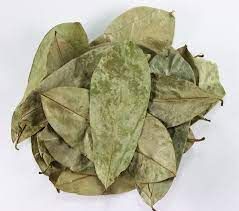
Soursop leaves
Share
$6.06
Sold out
Sold out
Soursop leaves
Share
Customer reviews
Customer reviews
Reviews only from verified customers
No reviews yet. You can buy this product and be the first to leave a review.
Product details
Soursop (Annona muricata) has been one of the most studied fruits in recent years, owing to its potential medicinal benefits, as evidenced by many studies. Soursop is a tropical and subtropical fruit having great versatility and is quite sensitive to drastic temperature fluctuations. Since soursop contains various phytochemicals, it can be used medicinally to treat a wide range of conditions, including diabetes (by inhibiting the enzymes α-glucosidase and α-amylase), tumor, cancer, oxidative stress, blood pressure, the induction of apoptosis in tumor cells as well as hemorrhagic disease and cholesterol lowering. Due to its significant nutritional profile and therapeutic potential, it can be utilized in the development of nutraceuticals and medicines. Its pulp, seed, and leaf extract are used as functional ingredients in different foods as value-added foods. This review article is intended to characterize fruit development patterns and examines potential maturity indicators in soursop.
See our Tea Brewing Instructions
Pricing for herbs, powders, teas, salts & herbal blends is per ounce unless otherwise specified.
This information is for education purposes, and is not intended to diagnose, treat, cure, or prevent any disease. This information has not been evaluated by the Food and Drug Administration.
Powered by Lightspeed
Display prices in:USD