Thanks for shopping small & local!
Local Grass-fed Tallow
Share
$13.13
Sold out
Sold out
Local Grass-fed Tallow
Share
Customer reviews
Customer reviews
Reviews only from verified customers
No reviews yet. You can buy this product and be the first to leave a review.
Product details
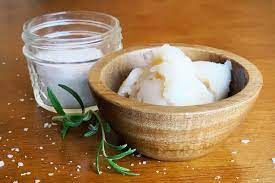
What Is Beef Tallow? Simply put, beef tallow is a rendered fat, commonly used for frying, derived from cattle suet and by-products that often have little to no value to most commercial food industries. Tallow production helps utilize more of the cow and creates less waste. It has the consistency of softened butter or shortening and tallow from grass-fed cattle often has a golden yellow tone to it because of the cows’ grass-fed diet. You can use beef tallow to fry anything that you like…french fries, chicken, seafood, eggs, and of course, steak and hamburgers. Tallow is also great for deep frying and high temperature cooking because it has a high smoke point. If it is kept in a sealed airtight container then it won’t need to be refrigerated, unlike suet. Tallow contains the same fats or lipids found in healthy, supple human skin. Lipids are found in abundance in the membrane of every cell in our bodies. They are responsible for the free flowing of liquids (aka moisture) in and out of our cells. Lipids are beneficial because they create a protective, yet permeable barrier that prevents infection, maintains moisture, flexibility and structure of the cell. Tallow is believed to prevent dryness at the cellular level without suffocating the skin's barrier as does petroleum-based lotions. Beef tallow, rendered from grass-fed cattle, is loaded with vitamins A, D & K and antioxidants. One of which is vitamin E, known to promote rejuvenation of the skin by fighting free radicals that can cause wrinkles. Vitamin E has also been shown to prevent the breakdown of collagen. "The intake of natural vitamin E products helps against collagen cross linking and lipid peroxidation, which are both linked to aging of the skin." (source) Vitamin D has the ability to restore vibrancy in skin. In addition, Vitamin D "induces the expression of antimicrobial peptide genes in human skin and plays a significant role in preventing opportunistic infections."
We source our tallow from a local farmer family Pastimes Farms in Missouri!
Note: All online orders for bulk oil, tallow butter, or shea butter must select one of these container options that will fit the amount you are ordering. Give us a call or email if you aren't sure which to choose. Pick out a container here.
Price listed is by the pound.
This information is for education purposes, and is not intended to diagnose, treat, cure, or prevent any disease. This information has not been evaluated by the Food and Drug Administration.
Powered by Lightspeed
Display prices in:USD