Thanks for shopping small & local!
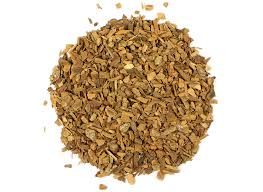
Cinnamon Chips
Share
$2.02
In stock
1
Cinnamon Chips
Share
Customer reviews
Customer reviews
Reviews only from verified customers
No reviews yet. You can buy this product and be the first to leave a review.
Product details
Cinnamon was utilized extensively thousands of years ago and is still popular today. Enjoyed since ancient times, cinnamon was mentioned in ancient Egyptian texts, the Bible, and was widely traded thousands of years ago in Europe and in Asia by Arab spice traders. Its scent is uniquely warming, uplifting, and stimulating, and its flavor sweet and delicious, hence the flavor and aroma have been utilized in countless confectionaries, baked goods, perfumes, cosmetics, beverages, and cordials. Cinnamomum aromaticum is native to China, growing wild in the southern mountains, whereas C. burmannii is native to Indonesia. C. burmannii has smooth branches, aromatic bark and leaves, and glossy, green alternate leaves. Cinnamomum sp. appears in recorded history dating back to at least 1,700 years B.C.E where it was a component of embalming fluid in ancient Egypt. The Arabs were avid spice traders who provided this spice to the ancient Romans, Greeks, and Hebrews.
See our Tea Brewing Instructions
Pricing for herbs, powders, teas, salts & herbal blends is per ounce unless otherwise specified.
This information is for education purposes, and is not intended to diagnose, treat, cure, or prevent any disease. This information has not been evaluated by the Food and Drug Administration.
Powered by Lightspeed
Display prices in:USD