Thanks for shopping small & local!
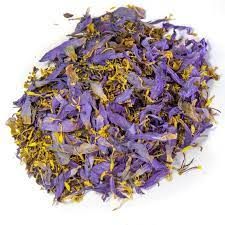
Blue Lotus
Share
$18.88
Sold out
Sold out
Blue Lotus
Share
Customer reviews
Customer reviews
Reviews only from verified customers
No reviews yet. You can buy this product and be the first to leave a review.
Product details
The blue lotus (Nymphaea caerulea) belongs to the Nymphaeaceae (Water-Lily) family. The blue lotus has several common names including: Egyptian lotus, blue water lily, and sacred lily of the Nile. It should not be confused with the "blue lily" or Agapanthus africanus, a plant of an entirely different genus (Anonymous, 1999). Be careful also not to confuse it with the Nymphaea lotus, which is the "white lotus". Fossils of this plant have been dated back to the Jurassic period, about 160 million years ago. Amazingly, the fossils suggest that the blue lotus has not changed much. Other records indicate wide dispersal of this flower before the Ice Age (Edwards, 1998). It is important to first explain a few things about the nature of the blue lotus. The blue lotus or water-lily, is a floating aquatic plant that is known for it's colorful and aromatic flowers. The leaves are waxy, leathery and dark green with a reddish-purple color underneath (Edwards, 1998).
See our Tea Brewing Instructions
Pricing for herbs, powders, teas, salts & herbal blends is per ounce unless otherwise specified.
This information is for education purposes, and is not intended to diagnose, treat, cure, or prevent any disease. This information has not been evaluated by the Food and Drug Administration.
Powered by Lightspeed
Display prices in:USD